F-35 Parts Meant for US Diverted to Hong Kong, Now in Chinese Hands
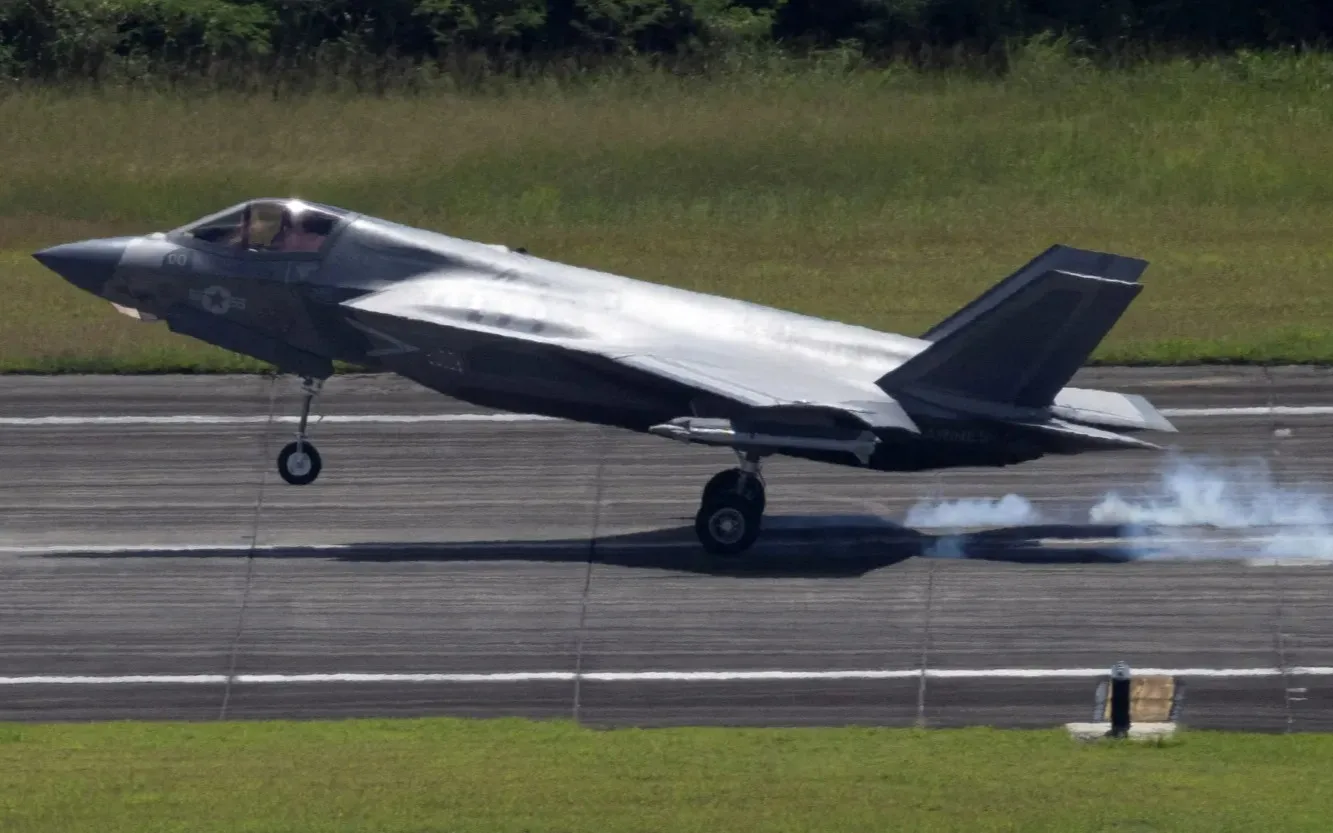
Parts from an Australian F-35 fighter jet that were being shipped to the US, unexpectedly diverted to Hong Kong and are now reportedly in Chinese possession. This has triggered investigations over how the components were diverted and whether the shipment exposed sensitive information about the advanced fighter.
Reading
In a Nutshell:
- Parts from an Australian F-35 were being shipped to the US for inspection, repair or disposal when the shipment was unexpectedly diverted to Hong Kong.
- The shipment reportedly included a cockpit canopy and weapons-bay door, both supplied by Lockheed Martin and coated with radar-absorbing material.
- Reports say the shipment stopped in South Korea before being routed to Hong Kong, although it remains unclear why the route was changed or whether the diversion was accidental or deliberate.
- Chinese authorities have reportedly taken possession of the parts, although the circumstances surrounding how they obtained them remain unclear.
- The Pentagon and the F-35 Joint Program Office have confirmed a shipment issue and said they are working to retrieve the components and investigate what happened.
- Australian Defence Minister Richard Marles confirmed that Australia was working with the US and Lockheed Martin, but said his understanding was that the missing components were not considered sensitive equipment.
- The incident has raised concerns in the US over whether the parts can provide information about the F-35's stealth capabilities.
Context
The F-35 is a fifth-generation fighter aircraft built around stealth, advanced sensors and integrated systems. More than 1,200 F-35s have been produced, with 19 countries having placed orders for the aircraft, which makes the security of its technology important across a wide network of US allies and partners. The components involved in this incident were from an Australian military F-35 and were considered unserviceable. They were being sent to the US because Australia lacks the facilities needed to perform certain work on the parts. The cockpit canopy and weapons-bay door reportedly contain or use radar-absorbing materials that contribute to the aircraft's low-observability design. The Pentagon has not said that classified F-35 systems were obtained by China. Australian officials have also played down the sensitivity of the parts. The investigation is instead focused on how a shipment intended for the US was diverted to Hong Kong and subsequently came into Chinese possession.
Why it matters
Although officials have said the parts were not highly sensitive, some damaged F-35 components may still contain valuable technology. For example, the cockpit canopy uses special radar-absorbing materials that help make the aircraft harder to detect. That means, even damaged parts may allow foreign experts to study these materials and better understand the F-35’s stealth features. Moreover, it raises concerns about the F-35’s global supply system. Usually, its parts are shared among several allied countries and often transported through commercial shipping networks. Thus, its shipment getting wrongly routed or intercepted and ending up in Chinese-controlled territory shows possible weaknesses in how sensitive military equipment is tracked and protected.
What we think
Two aircraft components did not simply go missing. Parts of a highly protected military programme travelled through an international supply chain and ended up in Hong Kong, with the route change still unexplained. It exposes a major failure in military logistics and security.