Jatri Kalyan Proposes 8-Paisa Intercity Bus Fare Hike
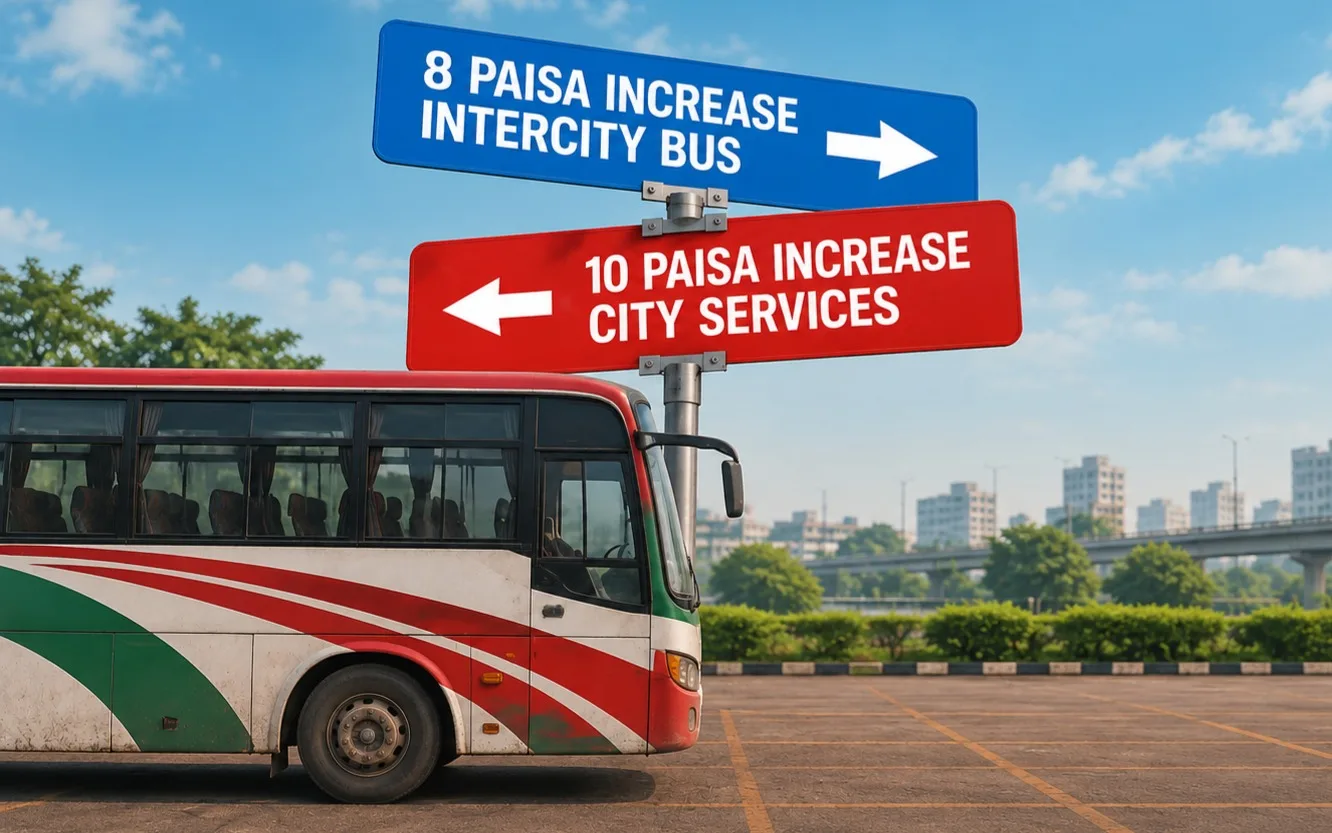
Bangladesh Jatri Kalyan Samity has proposed an 8-paisa-per-kilometre increase in intercity bus fares and a 10-paisa increase for city services following the latest fuel price hike. However, the passenger welfare organisation says the higher fuel costs are putting additional pressure on transport operators.
In a Nutshell
- Jatri Kalyan Samity has proposed an 8-paisa-per-kilometre increase for intercity bus services and a 10-paisa-per-kilometre increase for city bus services.
- The proposal comes after the government raised fuel prices by Tk20 per litre across fuel categories.
- The organisation has also called for the recent fuel price increase to be withdrawn.
- The passenger welfare organisation says the higher fuel costs are putting additional pressure on transport operators.
- The government had earlier raised bus fares by 11 paisa per kilometre following an April fuel price increase.
- The proposal follows a Tk20-per-litre increase in fuel prices across fuel categories.
Context
Fuel prices have become a major factor in recent public transport fare changes. In April, diesel prices were raised by Tk15 per litre, after which the government increased bus fares by 11 paisa per kilometre, from Tk2.42 to Tk2.53 in Dhaka and Chattogram and from Tk2.12 to Tk2.23 on long-distance routes.
The latest proposal comes after another Tk20-per-litre increase in fuel prices. Jatri Kalyan Samity has, simultaneously, criticised the increase, saying it may raise transport fares, freight costs and the prices of goods at a time when consumers are already facing high living costs.
Why It Matters
Increases in bus fares directly impact millions of people who rely on public transport for work and daily routines, while also driving up the nationwide cost of moving food, raw materials, and other goods. This creates an additional channel through which rising fuel prices ultimately filter down into everyday household expenses.
At the same time, because fuel is a major operating cost for diesel-run buses, some fare adjustments are naturally expected during periods of rising fuel prices. However, repeated changes make fare predictability difficult for commuters, leaving passengers facing ongoing uncertainty about their travel costs following previous government revisions and newly proposed adjustments.
What We Think
Bus fares cannot keep becoming the automatic answer every time fuel prices rise. Passengers are already paying the cost of higher living expenses, and repeated fare increases only push more of that burden onto them. If fares are revised again, the process needs to be based on transparent costs rather than simply passing every new expense to commuters.