US Prepares Sanctions Against International Criminal Court
The Trump administration has prepared sanctions against the International Criminal Court (ICC), according to US officials cited by Reuters. If imposed, the measures could restrict the court’s access to the US-linked financial system and disrupt its day-to-day operations.
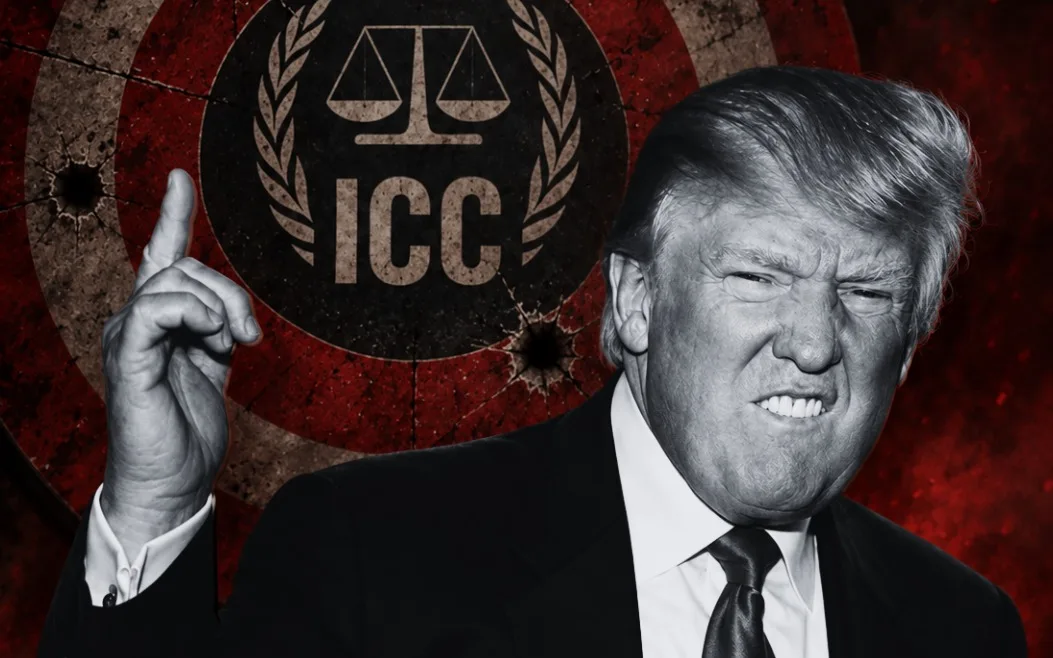
In a Nutshell:
- The Trump administration has prepared sanctions targeting the ICC as an institution, according to two sources cited by Reuters, however, the timing of the new sanctions has not been confirmed, although US officials have indicated they could be finalised during or shortly after the UN General Assembly.
- The measures could prohibit US citizens and companies from providing funds, goods or services to the court without special authorisation and also affect the ICC’s ability to purchase IT and insurance services, hire investigators and conduct routine financial transactions.
- The US has already sanctioned more than a dozen ICC judges and prosecutors under measures introduced in 2025.
- Washington’s campaign against the court intensified after the ICC issued arrest warrants for Israeli Prime Minister Benjamin Netanyahu and former Defence Minister Yoav Gallant over alleged war crimes and crimes against humanity linked to Gaza. Although Israel rejects the allegations.
- The US has never been a member of the ICC and argues that the court has exceeded its authority by pursuing officials from countries that are not members.
Context
The ICC was established in 2002 under the Rome Statute to prosecute individuals accused of genocide, war crimes and crimes against humanity when national authorities are unable or unwilling to investigate or prosecute such cases. The US has never joined the court and has long objected to its jurisdiction over American personnel and officials from non-member states. The dispute intensified after the ICC issued arrest warrants for Israeli leaders in 2024 over alleged crimes connected to the Gaza war. Washington has since moved against individual judges and prosecutors and has called on other countries to distance themselves from the court. The latest proposal extends that pressure to the institution itself.
Why it matters
The dispute is no longer only about individual ICC officials or particular arrest warrants, it is moving towards the court’s ability to function as an institution. The US has said the ICC has exceeded its jurisdiction, particularly in cases involving non-member states. Now, if this intensifies and financial pressure begins the consequences may move beyond the US-ICC dispute and ultimately affect the court’s investigators, services and routine operations. The ICC depends on an international financial and service network even though its cases are heard in The Hague. US-linked financial restrictions therefore may affect the court beyond Washington’s direct relationship with it. The Gaza cases make the issue even more significant. The ICC’s action against Netanyahu and the warrants against him has become one of the central points of conflict between Washington and the court, which is now affecting the institution responsible for investigating international crimes more broadly.
What we think
Punishing the entire International Criminal Court over warrants against allied leaders is a dangerous overreaction. It’s essentially like trying to bankrupt the referee just because you don't like their call. Regardless of the political stance, weaponizing finances to crush a court built for global justice threatens accountability for everyone.